Wednesday, 26 August 2026 Stay informed. No noise.

New Manulife Global Retirement Report Sheds Light on the Preparedness and Financial Resilience of People in Asia as Longevity Increases

Kuala Lumpur, 25 October 2024 — Manulife Investment Management globally released its
Financial Resilience and Longevity Report. Findings in Asia, which includes Mainland China, Hong
Kong, Japan, Singapore, Malaysia, Indonesia, Philippines, and Vietnam, revealed that consumers
across the region continue to face financial challenges, despite some markets and demographics
faring better than others. More than two-thirds of people in Asia are confident they will be able to
achieve their top financial goal, which varies across markets and includes having enough saved for
emergencies, managing or maintaining their current lifestyle, and enjoying financial freedom or
security after retirement., but the older generations are in slightly worse shape, with those in their 50s
and 60s less likely to have that confidence than their younger cohorts.

Amid rising life expectancy across Asia, the report explored the need to enhance financial resilience
during working years, potentially allowing individuals to save more for retirement. Longevity trends are
placing pressure on traditional family support systems, healthcare, and financial stability, especially as
changing family structures leave many older adults without the multigenerational support that was
once common.

Calvin Chiu, Head of Asia Retirement, Manulife Investment Management said, “With life
expectancy rising throughout the region, it’s imperative that consumers begin planning earlier and
more comprehensively. The report sheds light on how individuals in different markets can build
financial resilience and prepare for a secure future. The retirement industry, along with governments
and employers, play a critical role in supporting an aging population and helping consumers save and
invest for their extra years of longevity.”

Financial Resilience Varies Across Asia

The report revealed that financial resilience is essential to navigating common obstacles such as
debt, healthcare costs, and emergencies. Consumers across Asia recognized the importance of
saving for retirement, yet many struggle to balance short-term financial needs with long-term goals.

On average only 39% of people across all age groups feel good about their finances today, but an
average of 52% of respondents feel the situation could improve in 10 years’ time. However, top
concerns that may affect their ability to build financial resilience include lack of or insufficient savings,
unexpected medical expenses, and lack of or reduced income.

Other key findings in the Asia region include:
• Rising healthcare costs, inflation, and economic slowdown are top concerns, with over 70% of
consumers in Japan and Singapore concerned with these external factors affecting their
ability to build financial resilience.
• Most people in Asia rely on cash savings and bank deposits (63% – 71%), more than other
financial products, to achieve their financial goals.
• Nearly two-thirds of consumers in Asia feel children are great investments who will provide for
them as they get older. This causes concern for those who do not have family to care for
them as they age, especially those closest to retirement.

Retirement Delays and Family Responsibilities

Similar to global trends, consumers in Asia expect to delay their retirement, especially as they
continue to support both children and aging parents. Changing family dynamics in Asia, including
declining birth rates and fewer multigenerational households, have added pressure to their financial
planning.

Across all age groups, an average of 62% of people in Asia are afraid they will need to postpone their
retirement because of financial responsibility for their family.

That said though, an average of 57% respondents who don’t plan to marry or have children are
concerned about growing old without a spouse or children to look after their financial and well-being
needs. To fill the potential financial gap, an average of 75% of people said they will save as much
money as possible, and only 28% said they will invest in different financial products.

Digital Engagement and Financial Planning

Consumers in Asia are increasingly interested in digital solutions and financial planning tools to help
them manage their finances. Engagement with digital platforms correlates strongly with better
financial outcomes, with those who frequently check their retirement plan or engage with financial
content online more likely to report being in good financial shape.

“Technology is playing a critical role in helping consumers in Asia better understand and manage their
financial futures. For example, in Hong Kong Manulife has piloted a robo-advisory service to
Mandatory Provident Fund (MPF) members. This service is designed to help them better understand
their retirement investment and risk profiles, and make more informed decisions about their MPF
choices,” said Chiu. “By leveraging personalized tools and data-driven insights, we aim to empower
individuals to feel more secure about their financial lives, in partnership with plan sponsors, advisors,
and third-party administrators.”

Financial Priorities and Passive Income Approaches in Asia

While pension schemes provide some level of financial support in retirement, people need to consider
the longevity and inflation factors to assess whether their pensions could last their lifetime. A way to
create a better safety net is through investments that could generate a steady stream of income even
in retirement. For example, they can consider retaining their pension accounts after reaching
retirement age and continue investing in the scheme.

For markets that have pension schemes:
• 35% in Hong Kong expect to rely on the Mandatory Provident Fund (MPF).
• 52% in Singapore expect to rely on the Central Provident Fund (CPF), a mandatory program.
• 36% in Indonesia expect to rely on the Financial Institution Pension Funds (DPLK), a
voluntary program.

Some pension scheme providers offer income funds that regularly distribute dividends, allowing
investors to receive an income every month while remaining invested in dividend-paying funds.
There are also retail funds offering monthly distributions, where investors can gradually invest in suitable
income funds before retirement based on their individual needs and risk tolerance.

Methodology

The Asia findings of the Manulife Financial Resilience and Longevity Report was from the

Manulife Asia Care Survey 2024 that was conducted in January and February 2024 via online self-
completed questionnaires in eight markets, including Mainland China, Hong Kong, Japan, Singapore,

Malaysia, Indonesia, Philippines, and Vietnam. A total of 8,400 people, evenly split between men and
women, aged 25 to 60 years old were surveyed. The 2024 Financial Resilience and Longevity Report
for Asia is available online.

PRINCE COURT MEDICAL CENTRE SADDLES UP FOR ‘PINK POLO’ TO CHAMPION BREAST CANCER AWARENESS

Prince Court Medical Centre hosted a Pink Polo event at Kuala Lumpur Polo Club (KLPC) in conjunction with Pink October, aiming to raise awareness and funds for the National Cancer Society of Malaysia (NCSM) and the Breast Cancer Welfare Association Malaysia (BCWA).

The event, attended by breast cancer survivors, advocates, and members of the media, featured an exciting polo exhibition match between the teams aptly named Prince Court and KLPC, with the latter securing a narrow victory with a score of 5-4.

In addition to the match, the event featured insightful health talks by Prince Court’s consultants, Dr. Harjit Kaur Perdamen, Consultant Breast & Endocrine Surgeon, and Dr. Melissa Tan, Consultant Breast & Oncoplastic Surgeon, followed by inspiring sharing sessions by breast cancer survivors.

As an accredited Oncology Centre of Excellence by the Australian Council on Healthcare Standards International (ACHSI), Prince Court played a leading role in raising awareness and funds, with proceeds from the sales of exclusive polo jerseys going towards the cause.

Dr. Shuba Srinivasan, Chief Executive Officer of Prince Court, emphasised the importance of holistic cancer care: “The diagnosis of breast cancer is a life defining moment that changes the lifestyle of patients and their loved ones. Prince Court is here for all breast cancer patients to give emotional, psychological and holistic medical support.

“Our multidisciplinary breast cancer team has some of the best minds in oncology, radiology, surgery, and nursing, all working together to see patients through this journey which does not end with treatment alone as we aim to make a difference to the lives of our patients and their families through exceptional care and compassion.”

Pink Unity, a focus group for breast cancer survivors under NCSM, highlighted the crucial need of support groups. “When we stand together, we not only share hope but also inspire more women to prioritise their health through early detection,” said Mahani Kassim, President of Pink Unity.

KLPC President Johan Indot was proud to host this meaningful event: “We are delighted to resume the Pink Polo tournament at KLPC together with Prince Court Medical Centre. We look forward to building on this relationship for breast cancer awareness.”

ABOUT PRINCE COURT MEDICAL CENTRE
World-class excellence meets exclusive care at Prince Court Medical Centre, based on our desire to care and do good being at the heart of everything we do. Our doctors, nurses and medical professionals work as a team – day in and day out – to ensure that Prince Court provides the right answers and right solutions to all who walk through our doors.

An award-winning and internationally accredited quaternary hospital in Kuala Lumpur, Prince Court is globally recognised for its gold standard in holistic healthcare excellence, through the delivery of multi-specialty personalised care with excellent clinical outcomes in a healing environment.

For more information, please visit princecourt.com

Driving Malaysia’s TVET Transformation and Future Automotive Talent Development: Sime Kansai Paints and MARA Aligns for a Brighter Future

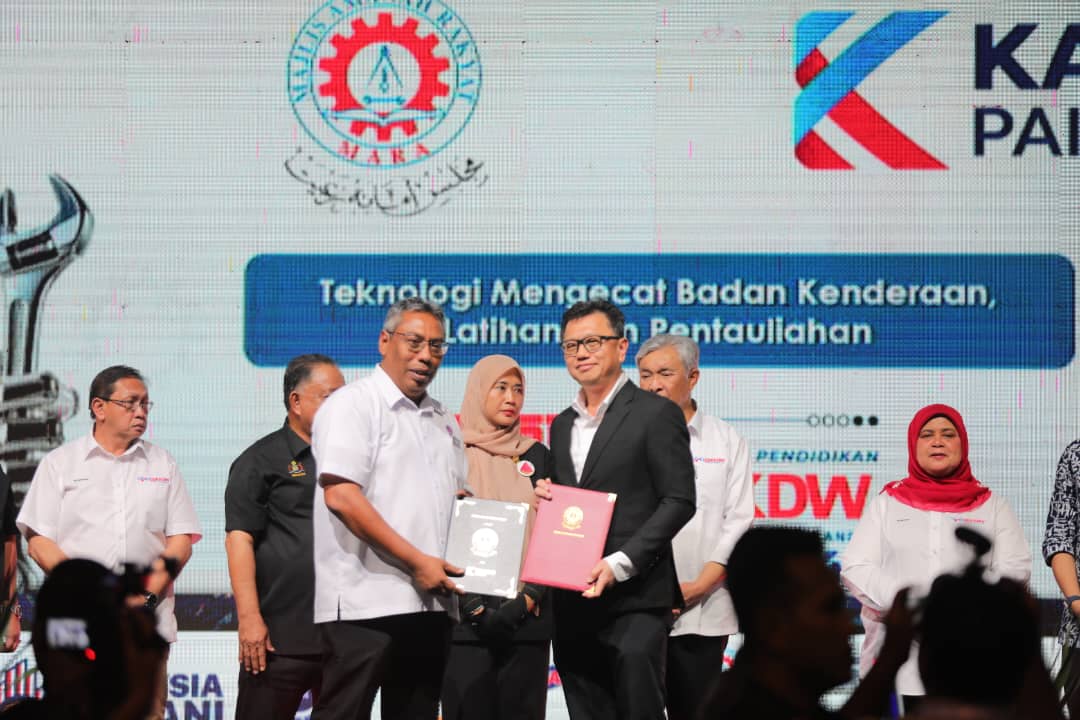
KUALA LUMPUR, 24 OCTOBER 2024 — Sime Kansai Paints Sdn Bhd (Sime Kansai Paints) and Majlis Amanah Rakyat (MARA) have taken a significant step toward transforming technical and vocational education and training (TVET) in Malaysia with their recent signing of a Memorandum of Understanding (MoU). Witnessed by Deputy Prime Minister, Dato’ Seri Dr. Ahmad Zahid Bin Hamidi, and the Chairman of MARA, Datuk Wira Dr Asyraf Wajdi bin Dato’ Dusuki, this partnership is set to raise the standards of education and practical training at Institut Kemahiran Mara (IKM) outposts nationwide, contributing to Malaysia’s National TVET Policy 2030.

The local automotive sector has experienced strong growth over the year, as evidenced by the Malaysian Automobile Association (MAA) increasing its car sales forecast for 2024 by 3.38%, following strong sales in the first half of the year. Unfortunately, this remains moot should the industry’s need for skilled workers remain unmet. The Malaysia Automotive, Robotics, and IoT Institute (MARii) has noted a significant gap in the supply of workers proficient in these advanced skills, which hampers the industry’s progress.


By leveraging Sime Kansai Paints’ market leadership in Automotive Coatings in Malaysia, this MoU initiative seeks to foster a skilled workforce at the tertiary level offering opportunities for TVET students to upskill their capabilities to ensure they are ready for the workforce upon graduating. Beginning with Institut Kemahiran MARA Kota Kinabalu, the collaboration between both parties aligns with Malaysia’s broader goals under the National TVET Policy 2030 to equip TVET students with relevant skill-enhancing curricula to create more job opportunities and enhance employability for TVET students in the nation. 


Mr. Tan Seng Yang, Managing Director of Sime Kansai Paints Sdn Bhd, emphasised the importance of this collaboration, sharing: “This MoU represents more than just a collaboration. It is an initiative between both parties to elevate and set the new standard for TVET education as we aim to cultivate a highly skilled workforce for the automotive refinishing industry. By incorporating real market practices into our training programs, we are strengthening the relevance of TVET courses and empowering students to tackle future challenges confidently.”


The MoU will also see Sime Kansai Paints play an active advisory role to Institut Kemahiran MARA Kota Kinabalu while providing job opportunities within its extensive network — including collaborations with some of Malaysia’s leading automotive companies. At the same time, they will be developing standard operating procedures (SOPs) and providing centres with industrial equipment for students to develop deeper theoretical knowledge and technical experience. This includes programmes covering areas such as industry certification (Industry Certified Painter), colour matching, paint application, trainer certification courses, and more. In addition to giving students an industry-ready education, the practical sessions will also enable students to be up to date with the latest trends and work processes within the industry.  


Sime Kansai Paints, a joint venture between Kansai Paint Co., Ltd., Japan and Sime Darby Motors, operates Malaysia’s first waterborne automotive coatings plant at its state-of-the-art facility in Bukit Raja, Klang. As part of their efforts to foster a brighter future for aspiring automotive professionals, Sime Kansai Paints will be participating in the Worldskills Malaysia Sabah 2024 event next month, serving as a panel judge for the event’s Car Painting category. 


Budget 2025: Strengthening Malaysia’s Global Competitiveness

18 October 2024

As Malaysia gears up for 2025, the need for robust reforms to bolster its position as a leading business hub in Southeast Asia is more pressing than ever. Members of the Institute of Chartered Accountants in England and Wales (ICAEW) Kevin Foo, Elliot Chaw, Anitha Poopalasingam, Dr. Lim Kim-Hwa, and Dato’ Megat Iskandar Shah highlighted key initiatives which could significantly enhance Malaysia’s global competitiveness while ensuring sustainable economic growth.

Enhancing the Business Environment

The recently tabled Budget 2025 aims to enhance Malaysia’s global competitiveness by improving the “Ease of Doing Business” and catalysing the areas of emphasis for the New Industrial Master Plan (NIMP) 2030 to attract new businesses and expand existing investments.

KPMG MR. KEVIN FOO

Kevin Foo, Partner at KPMG in Malaysia and Past Chairman of the ICAEW Members’ Society Malaysian Chapter emphasises Malaysia’s strategic advantages as a thriving hub for investment, underscored by its dynamic economy and diverse, multilingual population. However, he cautions that as global markets evolve and competition intensifies, Malaysia must refine its business environment to retain its appeal to multinational corporations. Budget 2025 marks a pivotal opportunity to enact these reforms, advocating for a more streamlined approach to facilitate business growth.

Elliot Chaw

Elliot Chaw, Associate Director of Corporate Tax Advisory at KPMG in Malaysia adds that one of the standout initiatives is the launch of the Forest City Special Financial Zone, introducing Malaysia’s first family office framework outside Labuan. This initiative aims to attract high-net-worth individuals through a well-structured legal and tax framework, fostering confidence and reinvestment in the national economy. Such a framework could serve as a sandbox for innovative financial solutions, encouraging families to manage their wealth while contributing to Malaysia’s economic growth.


Clarity and Consistency in Regulations

The importance of having a stable and transparent regulatory system cannot be overstated. Both Foo and Chaw agree that any inconsistencies in the regulations and practices across states could hinder foreign investments, especially in large-scale developments. They suggest that harmonising processes for licensing, environmental approvals, and land-use permits in a digital, single window platform would reduce delays and create a more favourable investment climate. A stable environment with clear “rules of the game” will bolster investor confidence and attract long-term commitments from both domestic and foreign investors.


Immigration Reforms: Attracting Global Talent

Reforming Malaysia’s immigration policies is vital for staying competitive in the global race for talent. Foo and Chaw assert that “Simplifying and expediting work visa and residency programme, particularly for investors and specialised talent, will strengthen Malaysia’s appeal as a business hub.” Drawing parallels with Singapore’s Tech Pass, they suggest a fast-track residency programme for skilled foreign workers, investors, and entrepreneurs which could significantly enhance Malaysia’s competitiveness.


Streamlining the Investment Processes

Anitha Poopalasingam

Anitha Poopalasingam, former Senior Director of Group Internal Audit at Maybank stresses the importance of streamlining the investment approval process and establishing a new investment fund to attract foreign direct investment. “Reducing approval times will enhance efficiency, making it easier for investors to navigate regulatory requirements,” she explains. A clear and efficient investment framework will not only boost investor confidence but also drive job creation and economic growth.


Poopalasingam highlights that targeted investment funds can focus on specific sectors aligned with national priorities, such as technology and renewable energy, creating a diverse business ecosystem. “By promoting sector-specific investments, we can drive growth in key areas and support local SMEs which are vital to Malaysia’s economy,” she states.


Promoting Sustainability and Green Growth

In line with the Ekonomi MADANI framework, the Ministry of Finance is spearheading initiatives to synergise efforts across government-linked entities to catalyse growth in key economic sectors. Poopalasingam notes, “The focus on renewable energy helps diversify Malaysia’s economy, making it more resilient to global market fluctuations.” Investments in renewable energy not only address immediate environmental concerns but also ensure long-term economic viability.


Digital Infrastructure Investment

As outlined in Mission 2 of NIMP 2030, Budget 2025 also proposes to augment local innovation and technology to enable effective competition on both the regional and global fronts. This involves leveraging automation, artificial intelligence and machine learning to boost productivity, streamline costs and foster sustainable growth across sectors.

Dr Lim Kim Hwa

CEO of Cammillion and Fellow in Finance at Cambridge University Dr Lim Kim-Hwa emphasises the importance of staying at the forefront of the digital revolution. “While hardware investment is essential, the application of digital technology is equally important. We must focus on how the digital economy can enhance competitiveness as well as disintermediate and thus reduce time and distance to market,” he explains. Improving digital connectivity, especially in rural areas is crucial for promoting inclusiveness and allowing all sectors of society to benefit from the global digital economy.

To effectively connect rural areas, Dr Lim advocates for adapting education and training programmes to deliver the required upskilling. “Integrating digital education into the curriculum will prepare the workforce for emerging opportunities in the digital landscape,” he adds.


Empowering SMEs through Ekonomi MADANI

Dato Megat Iskandar Shah

Dato’ Megat Iskandar Shah, Partner and Deputy Assurance Leader at Ernst & Young Malaysia, highlights the crucial role that SMEs play under the Ekonomi MADANI framework. “SMEs are the backbone of Malaysia’s economy, representing 97% of businesses and nearly half of the workforce. Ensuring their growth and sustainability is vital to the nation’s economic trajectory, particularly in accessing financing and expanding export readiness.”


Megat stresses that while existing government initiatives provide support, more innovative financing solutions are needed to bridge current gaps. “Alternative financing options like digital lending platforms and venture capital can better cater to the unique needs of SMEs, helping them access funds more efficiently and participate in high-value sectors aligned with NIMP 2030.”


On enhancing export readiness, Megat stresses the need to equip SMEs with the right tools and training to compete globally. “Expanding trade facilitation services, improving digital infrastructure, and investing in workforce development, particularly in digital skills, are critical to boosting international competitiveness and driving innovation. By preparing SMEs for the demands of the digital economy, we can unlock new growth opportunities and enhance productivity across sectors.”


He concludes by emphasising the need for stronger collaboration between SMEs, government agencies, and financial institutions to drive long-term growth. By working together, these entities can ensure that SMEs fully capitalise on the opportunities presented by the Ekonomi MADANI framework, contributing significantly to Malaysia’s future economic success.


A Call for Decisive Action

In conclusion, Budget 2025 presents an opportunity for Malaysia to enact crucial reforms that will strengthen its global competitiveness. By simplifying business operations, enhancing regulatory frameworks, and investing in digital infrastructure and sustainability, Malaysia can attract foreign investment, generate jobs, and foster innovation. As the country navigates an increasingly interconnected world, now is the time for decisive action to secure Malaysia’s future as a thriving, competitive economy. ICAEW believes that chartered accountancy can be a force for positive change. By sharing insight, expertise and understanding, the professional organisation hopes to continue helping create sustainable economies and a better future for all.

Sponsor the Sustainable Action Conference 2024 and Transform Sustainability Commitments into Action!

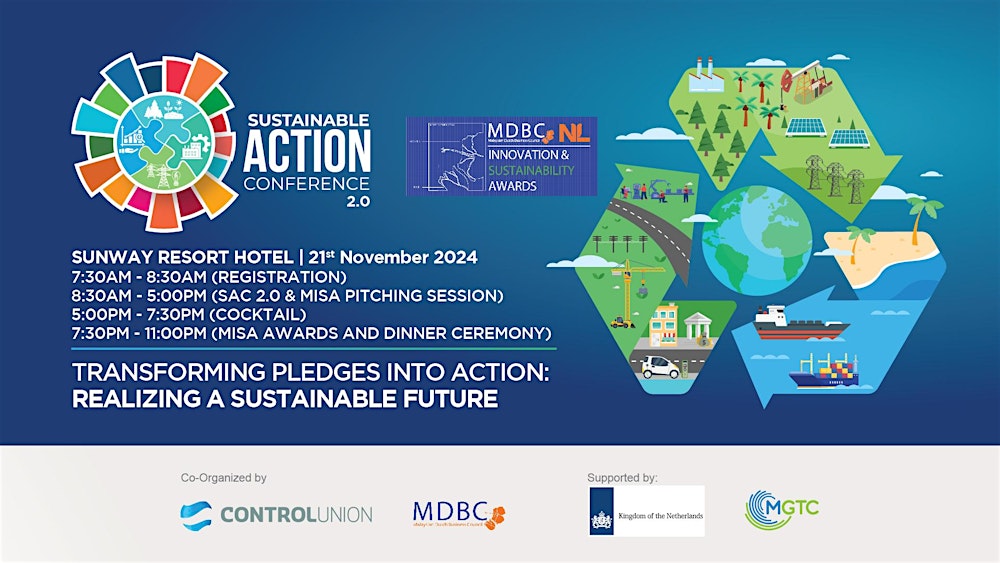
Control Union Malaysia will proudly host the second edition of the Sustainable
Action Conference (SAC 2024) on 21 st November 2024 at Sunway Resort Hotel.
The event is dedicated to transforming sustainability pledges into concrete action.
This event provides a platform for industry leaders from a wide range of
sectors—including government, state governments, municipal councils, finance,
manufacturing, plantations, forestry, energy, and construction—to come together,
share knowledge, and tackle pressing sustainability challenges.

At SAC 2024, attendees will have the opportunity to explore innovative solutions,
hear inspiring success stories, and foster meaningful collaborations. The conference
is designed to drive action by supporting the funding of sustainable projects and
raising awareness about the latest trends in sustainability. Whether youre looking to
elevate your brand, connect with industry leaders, or contribute to impactful projects,
SAC 2024 offers a unique opportunity to make a lasting difference in shaping a
sustainable future.

By sponsoring SAC 2024, you align your brand with sustainability and support Non-
Profit Organizations (NGOs) actively working on impactful projects. Sponsors not
only gain visibility but also have a direct hand in enabling sustainable
initiatives—as project pitches will be presented and voted on by the audience
during the event.

SAC 2024 is a non-profit event dedicated to driving sustainable transformation
across industries. With growing regulatory and social expectations, your participation
highlights your organization’s commitment to sustainability while positioning you as a
leader in this critical space.

The Sustainable Action Conference has proven to be a vital platform for connecting
sustainability experts, government officials, and company executives. It fosters
discussions and collaborations that lead to real, actionable solutions for companies
looking to make meaningful contributions to sustainability goals.

We are currently seeking sponsors to help bring this important event to life. If your
organization is interested in raising awareness, contributing to impactful projects,
and being part of a sustainable future, we invite you to join us.

We will be happy to customize a sponsorship proposal based on your company’s
objectives and budget.

Become a sponsor and join the movement toward a sustainable future today!

For collaboration opportunities, please contact us at
bdcumalaysia@controlunion.com

A Vast Majority of Businesses Have Established Sustainability Targets with More than Half Still Using Manual Tools for Measurement

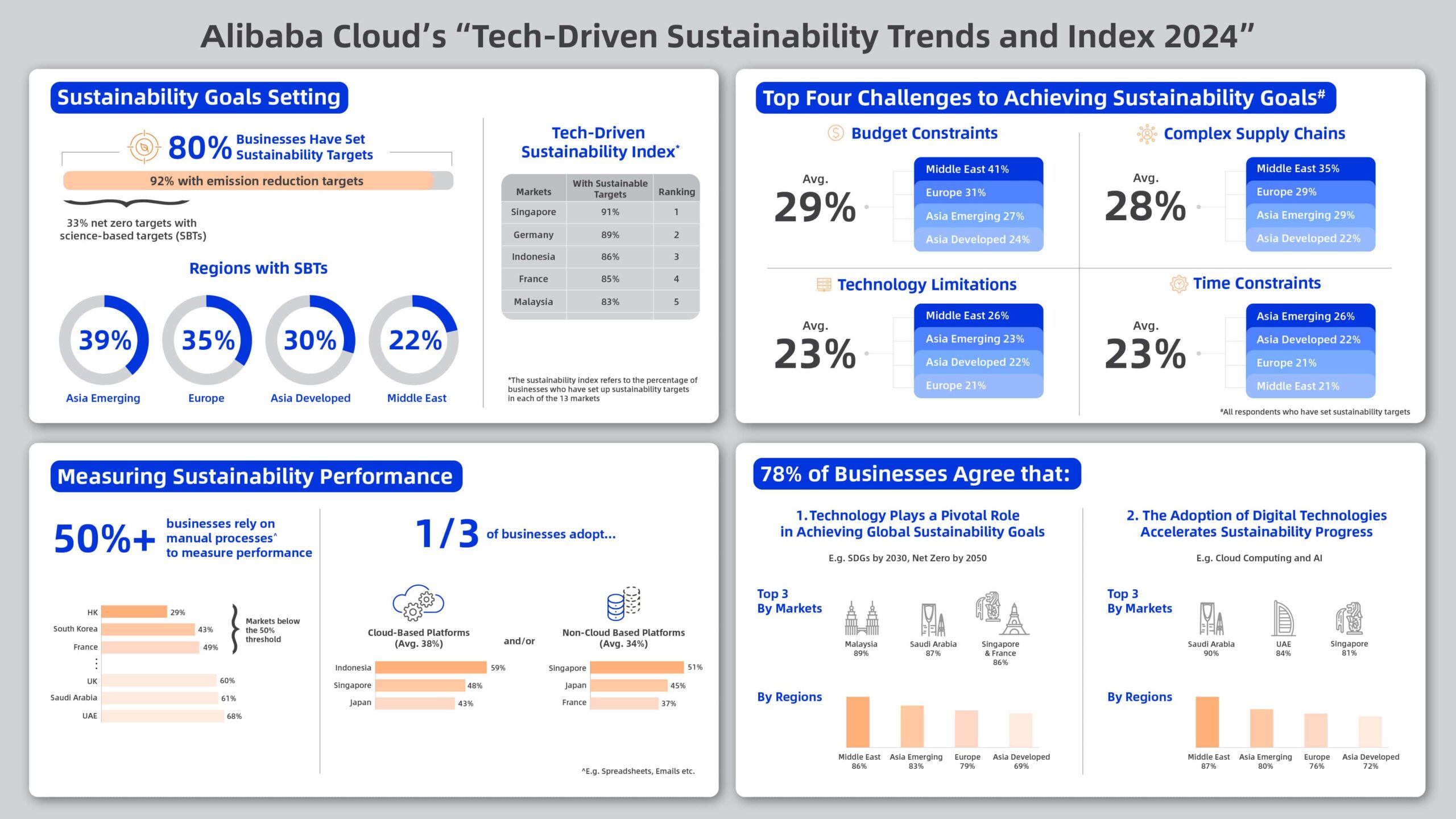
Kuala Lumpur, Malaysia, October 21, 2024 – A significant 80% of businesses surveyed across Asia, Europe and the Middle East have established sustainability targets. However, more than half (53%) of those businesses continue to rely on manual methods for measuring their progress, with Malaysia mirroring this trend with 56% of Malaysian businesses continue to use manual processes according to a survey report titled “Tech-Driven Sustainability Trends and Index 2024” commissioned by Alibaba Cloud, the digital technology and intelligence backbone of Alibaba Group. 

The report reveals that among businesses with sustainability targets, 92% have set emission reduction targets. However, only one-third of these organisations have committed to net-zero commitments with science-based targets (SBTs). The highest adoption of SBTs is in emerging Asian markets at 39%, followed by Europe at 35%, developed Asian markets at 30%, and the Middle East at 22%

Around half of the businesses with sustainability targets cite driving growth (56%), compliance with regulations (54%), and a strong corporate purpose (49%) as their key motivations for establishing targets. Notably, among all markets, Indonesia tops the list with 70% of businesses prioritising growth, Saudi Arabia leads with 73% emphasising compliance, and the UAE excels with 61% prioritising a strong corporate purpose.

A significant 78% of businesses agree that technology is crucial for achieving global sustainability goals, with top markets including Malaysia (89%), Saudi Arabia (87%), Singapore (86%) and France (86%). Regionally, this belief is strongest in the Middle East (86%) with emerging Asian markets a close second (83%). Similarly, 78% believe that adopting digital technologies such as cloud computing and AI will accelerate progress toward meeting sustainability goals, with Saudi Arabia leading at 90%, followed by the UAE (84%) and Singapore (81%). 

Market Commitment Levels and Challenges

When assessing market commitment levels, Singapore ranks highest with an impressive sustainability index of 91%, followed closely by Germany at 89% and Indonesia at 86%. Malaysia, in fifth place, has 83% of businesses setting sustainability targets. The sustainability index refers to the percentage of businesses that have established sustainability targets in the 13 markets. 

Businesses encounter various barriers in meeting their sustainability targets. Budget constraints emerge as the most significant obstacle, affecting 29% of organisations, particularly pronounced in the Middle East (41%) and Europe (31%). Complex supply chains further complicate efforts, impacting 28% of businesses, especially in the Middle East (35%) and Europe (29%). Additionally, technology limitations hinder 23% of companies, with the Middle East facing a slightly higher rate at 26%. Time constraints also present significant challenges across all regions, affecting 23% of organisations. For those yet to set sustainability targets, budget constraints (32%) and technology limitations (29%) remain the primary barriers to meeting sustainability targets.

Reliance on Manual Measurement

As businesses strive to enhance their sustainability efforts, the necessity for effective digital tools is evident. The survey emphasises the necessity for businesses to improve their understanding of digital tools, as 59% of respondents acknowledge a gap in their knowledge regarding how technology can help achieve sustainability goals. This sentiment is particularly evident in Singapore (83%),  Hong Kong (75%) and Thailand (70%).

The report also shows a general reliance on traditional practices among businesses, which may present challenges in effectively achieving sustainability goals. In Malaysia particularly, the study indicated that 56% of businesses depend on manual processes to measure sustainability performance using spreadsheets, emails, and similar methods. All markets, except for Hong Kong (29%), South Korea (43%) and France (49%), exceeded the 50% threshold, with the highest percentages in the UAE (68%), Saudi Arabia (61%), and the UK (60%). Meanwhile, only around a third of businesses use digital software tools including cloud platforms for the sustainability progress and measurement. Indonesia (59%), Singapore (48%) and Japan (43%) demonstrate a higher adoption of cloud-based solutions, while the average usage is at 38%.

“The survey findings underscore the urgent need for organisations to reassess their sustainability measurement methodologies and embrace advanced technological solutions like cloud-based platforms and AI services. These digital tools not only streamline the measurement process but also provide actionable insights that can drive meaningful progress for sustainability,” said Selina Yuan, President of International Business, Alibaba Cloud Intelligence.

“As a dedicated cloud service provider, we are committed to providing innovative and AI-powered solutions such as Energy Expert to enable enterprises to effectively measure and analyse carbon emission and energy consumptions to advance their sustainability goals. By addressing existing barriers and investing in such advancements, organisations can better align their sustainability initiatives with established targets,” she added. 

“Tech-Driven Sustainability Trends and Index 2024” aims to provide valuable insights into the evolving landscape of corporate sustainability while highlighting how technology can be applied to drive impactful change.

About the Survey

Alibaba Cloud’s “Tech-Driven Sustainability Trends and Index 2024” was independently conducted by Yonder Consulting, a UK-based consulting firm, with advisory, design and analytical support from The Purpose Business, an Asia-based sustainability consultancy with offices in Hong Kong and Singapore. The survey collected feedback from May 10 to June 19, 2024, involving 1,300 business leaders and senior management from various industries, including technology and communications, finance, infrastructure, renewable resources, healthcare, transportation, retail, and manufacturing.

Respondents were located across 13 markets in Asia (Malaysia, Indonesia, the Philippines, Thailand, Hong Kong SAR, Japan, Singapore and South Korea), Europe (France, Germany, and United Kingdom), and the Middle East (Saudi Arabia and UAE). In this survey, developed Asian markets refer to Hong Kong SAR, Japan, Singapore, and South Korea, while emerging Asian markets include Indonesia, Malaysia, the Philippines, and Thailand.

About Alibaba Cloud

Established in 2009, Alibaba Cloud (www.alibabacloud.com) is the digital technology and intelligence backbone of Alibaba Group. It offers a complete suite of cloud services to customers worldwide, including elastic computing, database, storage, network virtualization services, large-scale computing, security, big data analytics, machine learning and artificial intelligence (AI) services. Alibaba has been named the leading IaaS provider in Asia Pacific by revenue in U.S. dollars since 2018, according to Gartner. It has also maintained its position as one of the world’s leading public cloud IaaS service providers since 2018, according to IDC.

Appendix: Key survey findings

Technology’s Role in Sustainability:

  • 78% of businesses agree that technology plays a pivotal role in achieving global sustainability goals, and the adoption of digital technologies can accelerate progress. 
  • 89% of Malaysian businesses agree that technology plays a pivotal role in achieving global sustainability goals. This highlights a strong recognition of the importance of digital solutions in driving sustainability efforts in the country.


Understanding of Digital Technology:

  • 63% of businesses from Asia acknowledge a gap in understanding how digital technology can aid in achieving sustainability goals. This suggests that while there is recognition of the importance of technology, there may be a need for more education and resources to bridge this gap. 
  • 56% of Malaysian businesses still use manual processes to measure and track sustainability performance and only a third use cloud and/or non-cloud tracking software/application platforms.

These findings indicate that while there is a strong belief in the role of technology for sustainability in Malaysia, there are also challenges related to understanding and adoption that need to be addressed to fully leverage these digital tools.

TALENTCORP APPLAUDS BUDGET 2025’S FOCUS ON WORKFORCE READINESS, TALENT GROWTH AND INCLUSIVE DEVELOPMENT

KUALA LUMPUR, 21 OCTOBER 2024 – Talent Corporation Malaysia Berhad (TalentCorp) welcomes the progressive initiatives presented in Budget 2025, which aim to position Malaysia as a leader in technology, sustainability and innovation. The initiatives strike a crucial balance between driving economic progress and promoting the well-being of the people, ensuring that societal needs remain a priority. With a strong emphasis on government efficiency and improving public services, Budget 2025 sets the foundation for a more resilient nation ready for long-term success.

“Aligned with national goals, allocations in Budget 2025 support TalentCorp’s ongoing efforts to cultivate a skilled and resilient workforce capable of meeting evolving industry needs. As the strategic think tank of the Ministry of Human Resources (KESUMA), we collaborate closely with stakeholders to align Malaysia’s talent development strategies with the nation’s growth ambitions. Initiatives such as the MyMAHIR Future Skills Talent Council (FSTC) and the Malaysia Critical Occupations List (MyCOL) play crucial roles in identifying and addressing skills gaps, and taking steps to build a globally competitive workforce,” commented Thomas Mathew, Group Chief Executive Officer, Talent Corporation Malaysia Berhad.

Bridging Talent Gaps through Structured Internships

A prominent measure in Budget 2025 is the extension of the National Structured Internship Programme (MySIP) until 2030, now also incorporating students interning in regulatory bodies. This expansion aims to provide young talents with critical hands-on experience, enhancing their employability and ensuring a stronger alignment between education and industry requirements. The focus on expanding internship opportunities reflects a broader strategy to bridge the gap between academia and the professional world.

Another key initiative that supports this strategy is the Internship Matching Grant for SMEs and Start-ups (LiKES). Launched in March 2024, LiKES has received an additional RM10 million to support quality internships, particularly in STEM fields. By early October 2024, over 774 companies had registered under LiKES, hiring 6,000 interns across Malaysia. This funding aims to empower SMEs and start-ups, especially those outside major urban areas, providing them with the resources to nurture young talent and drive innovation.

Preparing the Workforce for a Changing Landscape

In parallel, the RM7.5 billion allocation towards Technical and Vocational Education and Training (TVET) is evidence of the government’s commitment to workforce readiness, with a focus on key sectors such as Maintenance, Repair and Overhaul (MRO), Electric Vehicles (EV), aerospace, and Artificial Intelligence (AI) to prepare Malaysians for the evolving landscape of emerging industries and economic demands. 

“By equipping the workforce with specialised skills, the government aims to future-proof Malaysia’s talent pool and strengthen its competitiveness in high-value industries. TalentCorp remains dedicated to supporting these efforts through initiatives that nurture high-value employment opportunities and foster a resilient talent ecosystem,” he added.

Promoting Work-Life Sustainability and Inclusive Practices

Budget 2025 extends tax incentives for employers hiring women returning to work after a career break. These incentives, valid for applications from 1 January 2018 to 31 December 2027, offer a 50% additional deduction on employment expenses for a 12-month period, encouraging greater female workforce participation.

Recognising the challenges faced by working caregivers, the government has introduced a 50% additional deduction for employers who provide paid caregiving leave of up to 12 months. This policy aligns with Malaysia’s broader care economy efforts to support job retention and promote work-life balance for employees fulfilling caregiving responsibilities for children, ill or disabled family members.

To further enhance workplace flexibility, Budget 2025 offers a one-off tax incentive for employers investing in capacity building and digital tools to implement flexible work arrangements (FWA). The expenses eligible for the incentive are capped at RM500,000 and must be verified by TalentCorp. “We are further playing a part in supporting work-life balance through TalentCorp’s Work-Life Sustainability advocacy programme, where we offer free workshops to assist employers in effectively implementing FWAs, reinforcing our commitment to fostering a healthier and balanced workforce,” Thomas Mathew remarked. 

Commited to Long-Term Success

Looking ahead, TalentCorp is geared up to maintain a robust pace in empowering Malaysia’s workforce to adapt and thrive in an evolving economic landscape. “By collaborating with industry leaders and stakeholders, we aim to catalyse a talent ecosystem that integrates innovation, sustainability and inclusivity, positioning Malaysia as a global hub for talent and innovation,” he concluded.

JEFFREY CHEAH FOUNDATION CONTRIBUTES TO NATION BUILDING THROUGH EDUCATION WITH RM75 MILLION IN SCHOLARSHIPS

Sunway City Kuala Lumpur, 22 October 2024 – The Jeffrey Cheah Foundation
(JCF) today held its Scholarships & Awards Ceremony 2024, awarding RM75 million
in scholarships this year.

The foundation, Malaysia’s largest education-focused social enterprise, has
disbursed more than RM745 million in scholarships to date, benefitting thousands of
deserving students throughout the years.

Her Royal Highness Raja Permaisuri of Perak Darul Ridzuan Tuanku Zara Salim,
and Tan Sri Dato’ Seri Sir Dr. Jeffrey Cheah KBE AO, founder and trustee of Jeffrey
Cheah Foundation, presented the scholarships and congratulated the recipients on
their achievement.

The award ceremony saw the presentation of scholarships in various categories,
including Sunway University Postgraduate Studentships, Sunway University
Postgraduate Scholarships, The Chancellors Scholarship, Sunway Excellence
Scholarship, Tun Dr Siti Hasmah Mohd Ali Scholarship for Creative Arts And Music,
Jeffrey Cheah Foundation Community Scholarship, as well as Sunway – Victoria
University Excellence Scholarship.

“The Jeffrey Cheah Foundation’s commitment to nation building, exemplified by the
Foundation’s tagline Nurturing the Seeds of Wisdom, is founded on our belief that
making quality education affordable and accessible is crucial in creating a more
progressive, sustainable and inclusive future for all Malaysians,” shared Cheah, who
is also the founder and chairman of Sunway Group.

As a strong advocate of quality education, world-class research and sustainable
development, Cheah’s personal aim is to award several billion Ringgit worth of
scholarships in his lifetime.

Cheah also paid tribute to Her Royal Highness Raja Permaisuri of Perak Darul
Ridzuan Tuanku Zara Salim’s firm dedication to elevating the Malaysian education
system and Tuanku’s promotion of ethical values.

As part of JCF’s commitment to nation-building through quality education, a teacher
professional development programme was launched to advance Education for
Sustainable Development (ESD) in Malaysia, earlier this year.

JCF is funding the development and delivery of a capacity-building development
programme on ESD for teachers in national and national-type school nationwide, as
well as the expansion of the programme to 30 more schools, involving more than
2,500 teachers nationwide.

This programme will advance Mission 4.7, a global initiative to advance
transformative education for the United Nations Sustainable Development Goals
(SDG), which calls upon governments to ensure learners obtain the necessary
knowledge, skills, values and attributes to achieve the SDGs.

In line with JCF’s steadfast commitment to advancing the SDGs, the foundation has
gifted US$20 million to the United Nations Sustainable Development Solutions
Network (UN-SDSN) to establish the Jeffrey Sachs Center on Sustainable
Development at Sunway University, as well as UN-SDSN’s Asia Headquarters in
Sunway City Kuala Lumpur, which coordinates continent-wide sustainability
initiatives alongside the New York and Paris offices.

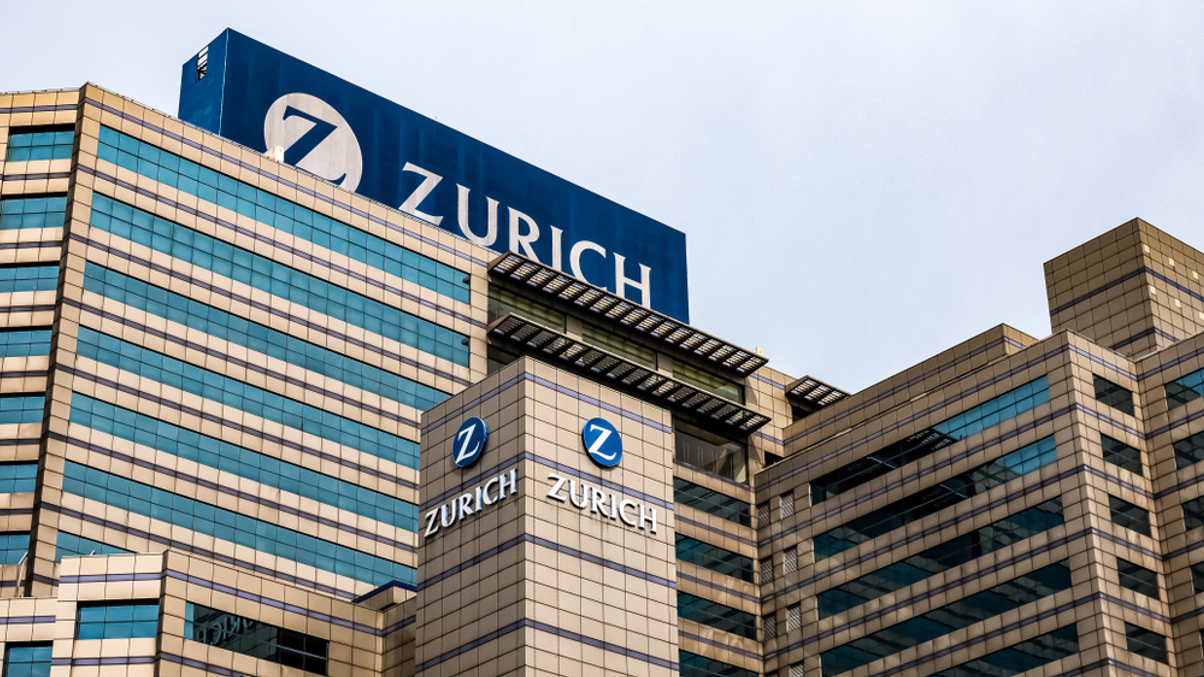
54% Malaysians unprepared for climate risks, according to Zurich Malaysia’s Climate Resilience Survey

KUALA LUMPUR, 23 October 2024 – Climate Resilience Survey by Zurich Malaysia found that
86% of Malaysians are concerned over climate change impacts, with younger individuals (aged 18-
29) showing the highest levels of concerns (up to 90%). Financial constraints are a significant barrier
to preparedness for 38% of respondents, with 54% feeling unprepared for climate events such as
floods, heatwaves, and landslides.

Zurich Malaysia’s Climate Resilience Survey was launched in support of National Preparedness
Month (BKN) 2024, themed “Malaysia Madani, Siaga Bencana”. The survey aims to promote disaster
preparedness awareness through collaboration between local communities and the government.

Junior Cho, Country CEO/Head of Zurich Malaysia, said, “Our Climate Resilience Survey aims to
gain a deeper understanding of the public’s current perceptions, preparedness, and experiences with
climate change impacts. By understanding the community’s perception of climate risks and their
preparedness levels, we can develop tailored strategies to strengthen climate resilience, enhance
local adaptation efforts, and promote sustainable practices across diverse urban settings.”

Awareness and concerns are high, but greater support required
Overall, 53% of Malaysians are very concerned about climate change impacts on future generations.
However, this level of heavy concern decreases with age, from 56% in the 18-29 group to 25% in the
65 and above group. This indicates a greater focus on climate education and engagement among
younger Malaysians, who are more likely to face the longer-term consequences of increasing climate
events.

Floods (75%), heatwaves (74%), and landslides (70%) are the top worries, with urban infrastructure
risks (e.g., fallen trees, sinkholes) becoming an emerging concern (67%), following recent cases in
urban downtown Kuala Lumpur. Similar age patterns are observed, with overall concerns decreasing
as age increases.

In the past 12 months, almost a third of respondents (32%) reported being directly impacted by
severe climate events, with 38% citing their families as victims. On the community front, 58% reported
that their local communities were most affected by severe climate events, indicating a concern for
climate events that extend beyond individual experiences.

The survey found an inverse correlation between monthly household income levels and
preparedness. 49% of B40 respondents reported having sufficient provisions, savings, evacuation
plans, and emergency support for their households against potential climate events. However, this
decreases to 44% for M40 households and 39% for T20 households. This suggests that higher-
income households may have higher expectations for preparedness, resulting in a perception of being
less ready or prepared.

The survey also indicates strong support and adoption of sustainable practices by Malaysians, who
are taking the initiative towards a greener lifestyle. They prioritise sustainable waste management
(63%), purchase eco-friendly products (60%), and reduce energy usage (60%). These trends suggest
an emphasis on tangible, everyday actions that can be easily integrated into daily life.

Building on from existing sustainability commitments

Zurich Malaysia’s Climate Resilience Survey builds on the Urban Climate Resilience Program
(UCRP) launched by the Z Zurich Foundation to support urban communities in nine countries across
the globe. The UCRP expands on Z Zurich Foundation’s ongoing climate change work with the Zurich
Climate Resilience Alliance, which has primarily focused on rural environments, by extending its
efforts into urban spaces and populations.

Zurich Malaysia successfully rolled out the UCRP locally, kicking off in November 2023 with Kampung
Morten and Pantai Peringgit in Melaka, through a multipartite collaboration between Zurich Malaysia,
Z Zurich Foundation, the Resilient Cities Network (R-Cities), as well as the Historic City Council of
Melaka (MBMB). In March 2024, Zurich Malaysia and Z Zurich Foundation collaborated with C40
Cities and the Kuala Lumpur City Hall (DBKL) to expand the UCRP in the capital, to PPR Beringin
and Kampung Pasir.

Earlier this year, the 2024 Global Risks Report – presented by the World Economic Forum (WEF) in
collaboration with Marsh McLennan and Zurich Insurance – found that two-thirds of respondents
ranked extreme weather as a top risk. Findings from Zurich Malaysia’s Climate Resilience Survey
align with these global realities and will be leveraged to further strengthen community resilience
against climate events, as part of Zurich Malaysia’s ongoing mission to care for what matters most to
our planet’s wellbeing.

Zurich Malaysia’s Climate Resilience Survey was conducted in September 2024, with 1,100
Malaysians taking part in the study. For further insights into Zurich Malaysia’s holistic approach to
building a brighter tomorrow, please visit https://www.zurich.com.my/.

THE SMARTINVESTOR AS THE OFFICIAL MEDIA PARTNER FOR THE SUSTAINABLE ACTION CONFERENCE 2024

The Sustainable Action Conference (SAC) 2024 and The SmartInvestor (TSI) magazine are partnering up towards a more sustainable future!

Control Union Malaysia is proud to announce the second edition of the Sustainable Action Conference 2024 (SAC 2.0) and is excited to welcome TSI as its primary official media partner! The event will take place on 21st November 2024 at the Sunway Resort Hotel, Malaysia, with the support of the Embassy of the Kingdom of the Netherlands and the Malaysia Green Technology and Climate Change Corporation (MGTC).

The SAC 2024, with the overarching theme “Transforming Pledges into Action: Realizing a Sustainable Future,” aims to provide a platform to showcase industry case studies, demonstrating successful sustainability initiatives and delivering actionable solutions that can be implemented across various industries – including Manufacturing, Plantations, Forestry, Energy, Oil & Gas, Tourism, Construction, Finance, and others – to effectively address sustainability efforts.

The media partnership underscores a shared commitment of both parties that brings diverse people together, sparking the action needed for real change. Online platforms will feature detailed interviews with speakers, organisations, and attendees, while also keeping you updated on the programme and offering behind-the-scenes insights into the event. Through these efforts, we aim to broaden the event’s reach and provide you with comprehensive information on the key topics discussed. After all, sustainability is a matter that affects us all!

The Sustainable Action Conference is hosted with the generous support of sponsors with remaining proceeds being donated to a charitable organisation selected by the audience during the conference. Participation is by invitation only and should you be interested to attend, kindly register on our website at www.sustainableactionconference.com.