Wednesday, 26 August 2026 Stay informed. No noise.

5 Investing Mistakes to Avoid During a Downturn

A market downturn can be scary. In the past few months, we have seen one of the most volatile swings in stock market history that can unnerve even the steeliest investor. But many forget that we have been through this before.

Whether it is selective memory or a case of financial amnesia, many investors might give in to their worst instincts which often leads to poor investment decisions. Here are five common investing mistakes to avoid that could set you back even further in a downturn.

1. Panic Sell

invest

It can be painful to see a sea of red in your portfolio. But giving in to fear and panic selling would only crystallise your losses and making them permanent. Instead, take a long-term view of your portfolio by realising that markets move in cycles and that downturns are temporary.

History shows that each bull cycle tends to end higher than the previous top. For example, during the 2008 crisis, global markets plummeted as the subprime meltdown spread carnage around risk assets. However, the markets found its bottom in March 2009 and eventually recovered to former levels and goes even higher.

More recently in March 2020, stock markets cratered as the COVID pandemic shuttered the global economy with the MSCI World Index plunging by 34% in a span of 6 weeks. However, the recovery was equally swift with benchmark gauges retracing back their losses in April and notching new highs since then. 

2. Trying to Time the Market

Another common mistake is that investors may attempt to time the bottom by selling entirely and then piling back in when markets start to rebound. Unfortunately, investors even professional ones rarely get both the timing right and ended up in a far worse position than they were before.

Instead, practice dollar-cost averaging by continuously investing in fixed sums through regular intervals. This helps lower the purchase price of your investments over time by taking advantage of market dips as well as reducing the risk of bad timing or investing according to one’s emotions.

3. Did Not Rebalance

invest

Investors are advised to rebalance their asset allocation at least twice a month to correct portfolio drifts back to its target allocation. However, a major market movement such as a downturn could also throw it off balance.

In a downturn, the returns from an equity portfolio would tend to fall much more than the target allocation as global stocks are down. Jittery investors may neglect to rebalance it back and increase their exposure in equities because they are worried of the volatility in the markets.  After all, it sounds counterintuitive to invest when market conditions are shaky.

However, it is important to do so in order to stay on track towards achieving your long-term goals. Rebalancing is also important to ensure that you are taking the desired level of risk that you have set out in your investment plan.

4. Cutting Your Winners and Hanging on to Your Losers

An important investment maxim is to ‘ride your winners and cut your losers’ from your portfolio. It sounds logical, but during a downturn, investors tend to do the opposite as they attempt to stem losses. Thus, they lock-in gains from their winners in order to compensate for losses in other areas of the portfolio.

But this only digs a deeper hole for the investor who could be worse-off in the future by hanging on to the portfolio’s losers. Instead, establish clear parameters for corrective action where needed in your investment plan to avoid mistakes such as these.

5. Monitoring and Doing Too Much

Young Investor Looking Hopefully Charts Cryptocurrency Stock Market

In a downturn, investors are often plugged-in to news alerts and social media to keep up-to-date with what is going on with the markets. This could prompt investors to buy, sell and sometimes even take advice from unscrupulous ‘financial gurus’ with a hidden agenda.

Looking at your portfolio 24/7 and tinkering with it too much does not usually end well for the investor. Financial anxieties kick-in and you start to lose sight of your goals which includes why you have decided to invest in the first place.

Learn to filter out the noise and take every sensational headline with a pinch of salt. Media outlets rely on eyeballs for advertising revenues and clickbait articles are their go-to tactic.

Instead, stick to your investment plan through regular contributions and practice diversification. Ensure that your portfolio is geared towards it stated purpose with an asset allocation that matches your risk tolerance. 

Keeping Perspective

The first rule in any market downturn is to stay calm. We may not always be in control of any given situation, but we can control how we respond to it.

This is especially true for investing where success has little to do with how much you know, but rather how you behave. Thankfully, it mostly involves inaction, staying the course and lots of patience.

About the Author

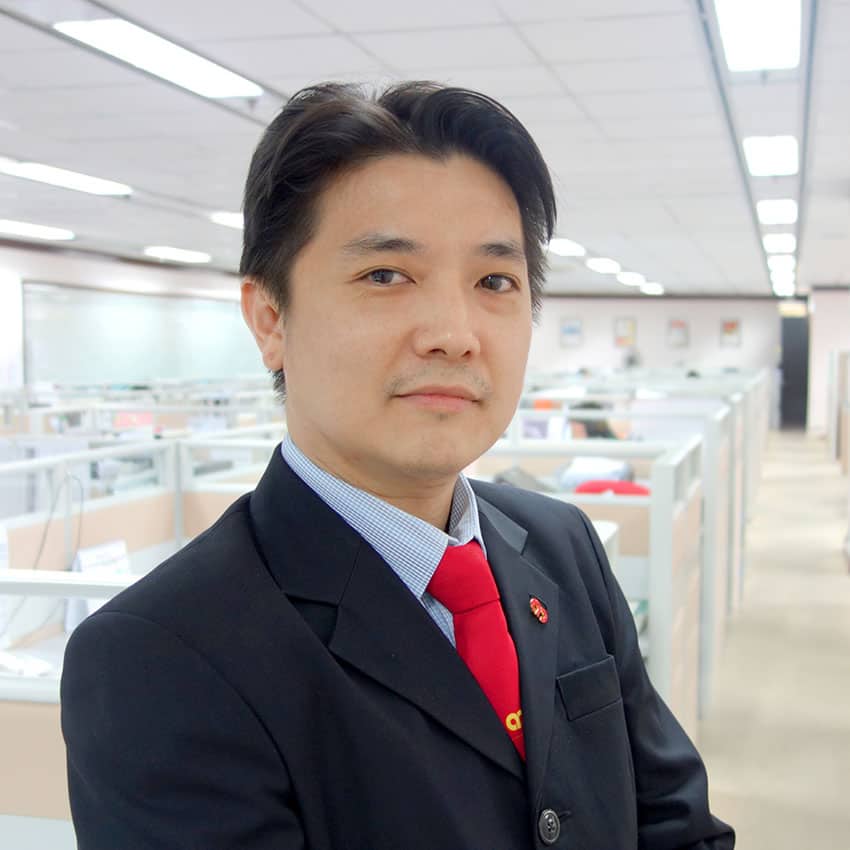
Lee Sheung Un

Lee Sheung Un is a communications officer at Affin Hwang Asset Management. A millennial, he is still finding that balance between wealth, freedom and purpose. Views expressed are his own.

Financial Planning Lessons That I Learned From My 72-Year-Old Customer

When I joined the financial industry in 2017, I was so lucky to meet my first customer. Not just because of the first investment business he gave to me, but also the lessons that he taught me.

I remembered the day when I first met him, I was introducing a unit trust fund to him, and he agreed to invest immediately after I finished my explanation. Since he was my first customer, I was being extra careful to avoid any mistakes in the process.

I asked him every question in the suitability assessment form:

  • Do you have investment experience in the past?
  • Do you understand about the investment risk?
  • How many percent of fluctuation can you accept?
  • Do you read and understand English?

The customer suddenly slapped the table, and said: “Why do you need to ask so many questions? Other banks did not ask all these questions when I invest with them! I told you, I’m ready to take risk when I invest. I can even accept the RM100k investment becoming a total loss.”

Knowledge Is Power

Library With Books

People may think that when one gets older, he/she should be less aggressive in investment. But this customer taught me that when one is fully equipped with knowledge, he/she will be able to make an informed financial decision despite of his/her old age.

Later, the customer topped up his investment after his first investment made profit within five months. But this time, the market was not going as smoothly as the first time. The unit trust fund was badly hit by the US-China trade war in 2018. The fund dropped ~20% in the first year of investing.

I asked the customer whether he want to switch his investment to other funds that were not affected by the US-China trade war?

Surprisingly, the customer did not worry about the paper loss of 20%. He told me that it is normal for the market to be up and down. He does not want to switch the fund because he has belief in China, and he is confident that the fund will rebound; and he has the holding power and patience to wait for it.

A year later, the fund recovered and the investment broke even at the end of the second year. 6 months later, the fund then made a 20% return. The customer was very happy with the annualised return of 7.63% after waiting for two and a half years.

Patience Is Key

Hourglass Dark Background
Hourglass on dark background

In reality, most investors might quit the market and cut loss when the fund is at ~20% loss. Some investors might withdraw their investment when the fund finally breaks even at the end of second year. Only a few are able to see the return after waiting for two and a half years.

The customer taught me another lesson that when one has a clear investing goal and strategy, he/she will not worry unnecessary about the market’s volatility, he/she will always stick to the initial plan without making emotional decision.

It has taught me the importance of financial literacy and it resulted in my faith to become a licensed financial planner a few years later.

Thanks to my customer, I’m now a licensed financial planner currently and I’m also conducting financial management workshop regularly to educate Malaysians on financial literacy.

About the Author

Uob Angel Chan

Angel Chan is a Licensed Financial Planner attached to UOB Kay Hian Wealth Advisors Sdn Bhd. Besides providing comprehensive financial advisory to her clients, she is also committed to educate the public about the correct financial management mindset and methodology through article, YouTube video and Financial Management Workshop conducted by her and her team. Do reach out to her for more information.

FB page: https://www.facebook.com/angelchan.financialplanner

FB page: https://www.facebook.com/profinance.my

YouTube channel: https://www.youtube.com/channel/UCf5f7O3vuOhnwy_wflDuuKA

Smart Finance: https://smartfinance.my/planners/chan-aun-kei-rfp

To book a free 1-hour consultation with Angel Chan: https://forms.gle/8Ur46Dox9T6g3yKS8

Interview with AmFunds Management Bhd, Winner Of The FSMOne Recommended Unit Trusts Awards 2022/2023

AmInvest is the brand name for the funds management business of AmFunds Management Berhad and AmIslamic Funds Management Sdn Bhd. They are a multiple award-winning fund management company based in Malaysia with 40 years of investing experience managing unit trust funds, wholesale funds, institutional mandates, Exchange Traded Funds (ETF) and Private Retirement Schemes (PRS), encompassing both conventional and Shariah-compliant funds.

As an investor, we need to have a diversified portfolio. This is to ensure that it can still give a good returns, be it a bear market or a bull market. With global markets showing signs of a slowdown, it is good to have some exposure in equities and some in fixed income. Being on the defensive is a good strategy in these times of uncertainty.

We spoke to Goh Wee Peng, chief executive officer and Wong Yew Joe, chief investment officer of AmFunds Management Bhd to get their views on their winning funds. The winning funds are diversified well enough, with equity exposure in Europe, fixed incomes in Asia ex-Japan, in Malaysia itself as well as some foreign exposure. We are able to get more insights on the funds itself, the challenges that they faced in the past 12 months as well as the market trends in the near future.

Smart Investor: Congratulations! Can you tell us more about your winning funds in the FSMOne Recommended Unit Trusts Awards 2022/2023?

Wong Yew Joe: We are proud to be able to win 4 prestigious awards, for Equity – Europe category (Europe Equity Growth fund and 3 fixed income fund awards for Asia, Short Duration and Malaysia categories by AmTactical Bond, AmIncome Plus and AmDynamic Bond respectively.

Given the challenging markets in 2021, these achievements reflected well on the fund’s strategy over the review period. The Europe Equity Growth focuses on Europe growth stocks which have benefited from the recovery from Europe’s stock markets, while the fixed income funds took a more conservative approach in managing the fixed income investments in a yield risk environment.

SI: What are the challenges you have faced in the past 12 months?

Wong Yew Joe: The biggest challenge for managing fixed income investment was managing the portfolio risk as yields had risen quickly in the bond markets. A rising yield environment has a direct adverse impact on bonds. Malaysian government bond yields rose by up to 100 basis points in 2021. We had to trim down the portfolio duration and rebalance our exposure from government bonds to more corporate bonds.

We generally maintained sufficient cash buffers in the face of greater market volatility and potential fund redemptions. The key strategy was to stay defensive but keep invested enough to generate sufficient income. We diversified our portfolio into more local and regional corporate bonds. The lower trading volume in the market last year had resulted in less trading opportunities, hence we had to focus more on generating income from bond coupons.

SI: What are the market trends that an investor should look out for in the near future?

Goh Wee Peng: We are seeing stronger trends towards Environmental, Social and Governance (ESG) investments. Investors are also becoming more aware of the need for sustainability for the global community and are hence aligning their values and beliefs accordingly in their investments. We believe the investment returns and the sustainability principles will eventually align, similar to the law of supply and demand. Companies that are in line with the environment and socially responsible themes together with strong governance are likely to see growth in value.

AmInvest’s recent fund offerings are consistent with AmBank Group’s commitment to sustainability. Since May 2021, AmInvest has launched four Sustainable and Responsible Investment (SRI) qualified funds under our Sustainable Series, namely, Positive Change Fund, Climate Tech Fund, Nutrition Fund and Health Fund, with more funds slated to be launched in the pipeline.

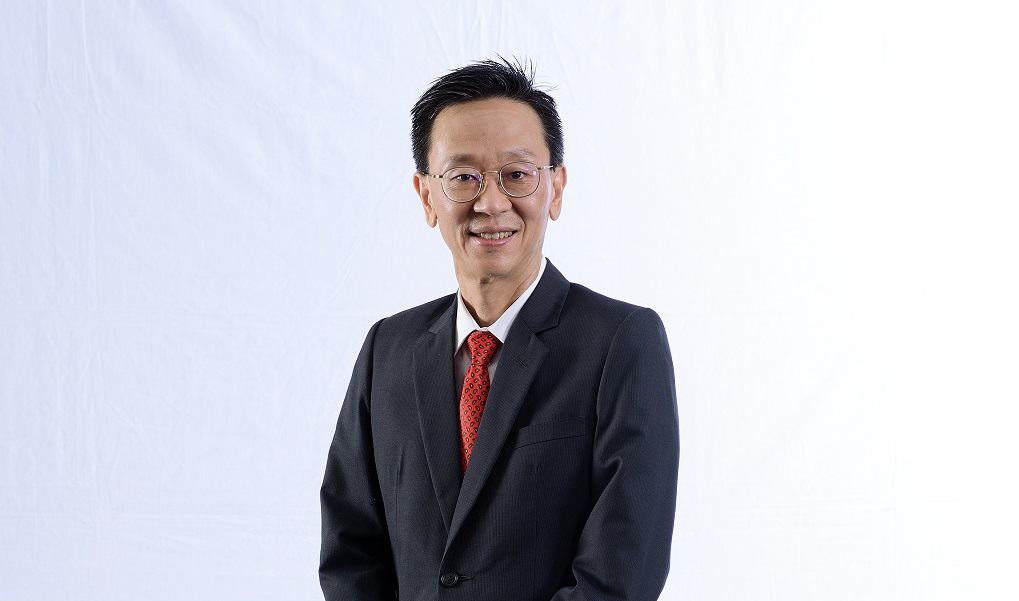
Goh Wee Peng CEO AmFunds Management Bhd
Goh Wee Peng, chief executive officer, AmFunds Management Bhd
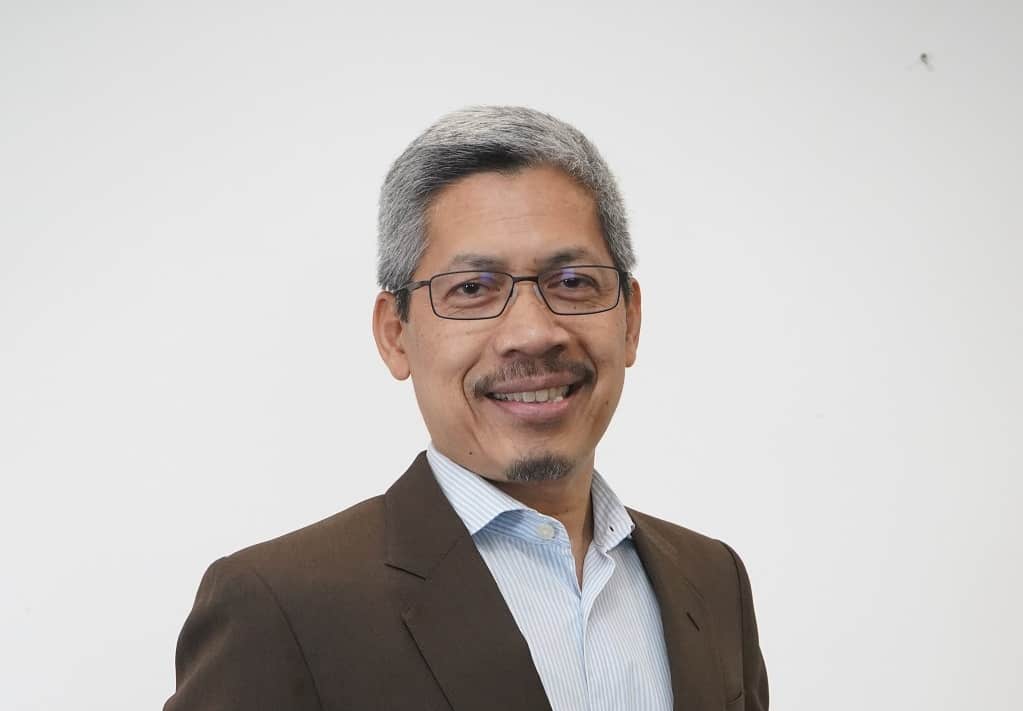
Wong Yew Joe CIO AmFunds Management Bhd
Wong Yew Joe, chief investment officer, AmFunds Management Bhd

Interview with AIA Pension And Asset Management, Winner Of The FSMOne Recommended Unit Trusts Awards 2022/2023

Be on the lookout for geopolitical uncertainty, rising rates, slowing growth and election uncertainty

Smart Investor: Congratulations! Can you tell us more about your winning fund in the FSMOne Recommended Unit Trusts Awards 2022/2023?

Nor Daliya Mohd Daud: We are honoured to receive this recognition for our AIA PAM Growth Fund. This Fund, which was launched on 16 May 2013, invests in equities with a bias towards equities with potential for growth. The Fund will invest in local and foreign markets as it seeks to provide long-term risk-adjusted returns to its members by integrating rigorous fundamental research with disciplined risk management.

We incorporate Environmental, Social and Governance (ESG) considerations into the investment decision-making process as we believe ESG principles underpin proactive risk management.

Since its inception, the AIA PAM-Growth Fund has recorded a cumulative return of 57.2% as at end March 2022.

SI: What are the challenges you have faced in the past 12 months?

ND: In addition to COVID-related lockdowns within Malaysia and in other major markets which restricted movements and impacted market sentiments over the past year or so, other more recent challenges include Russia’s invasion of Ukraine, soaring commodity prices and supply chain disruptions.

Underperformance in Chinese stocks had also caused equities to decline and bond yields to rise while accelerated monetary policy and quantitative tightening by the US Federal Reserve and Bank Negara Malaysia (BNM) is now a major concern. Notwithstanding the evolving market conditions, we
will remain vigilant and adjust our investment strategies accordingly when the need arises.

Asset allocation decision remains the key driver when determining the range of portfolio outcomes amid volatile markets. We may adopt a temporary defensive strategy during adverse market conditions by increasing exposure to lower risk assets.

SI: What are the market trends that an investor should look out for in the near future?

ND: Geopolitical uncertainty. Market volatility is likely to persist in the near term given no signs of the war ending in the Russia – Ukraine conflict. The longer the war drags on, the longer sanctions will be in place with negative implications on commodity supplies and further increased inflation risks.

Rising rates. Bond yields are rising as the market has been repricing due to the number of rate hikes by the US Federal Reserve that should occur in the foreseeable future. The US Federal Reserve and other central banks are moving to normalize monetary policy to tackle inflation. Domestically, Bank Negara Malaysia’s policy measures should remain accommodative in the near term and the supply of sovereign bonds should be well-absorbed by the market. Overall, the domestic financial system liquidity remains ample, which shall remain supportive of the bond market.

Slowing growth. After a strong economic rebound in 2021, a slowdown in the global economy is expected this year amid less favourable market conditions with rising inflation, China COVID-19 lockdowns and geopolitical concerns.

Election uncertainty. There are news that the 15th Malaysian General Election will be held this year. The uncertainty in the general election outcome could trigger volatility in the market. Investors would want to see decisive policy decisions to combat inflation and a slowing economy.

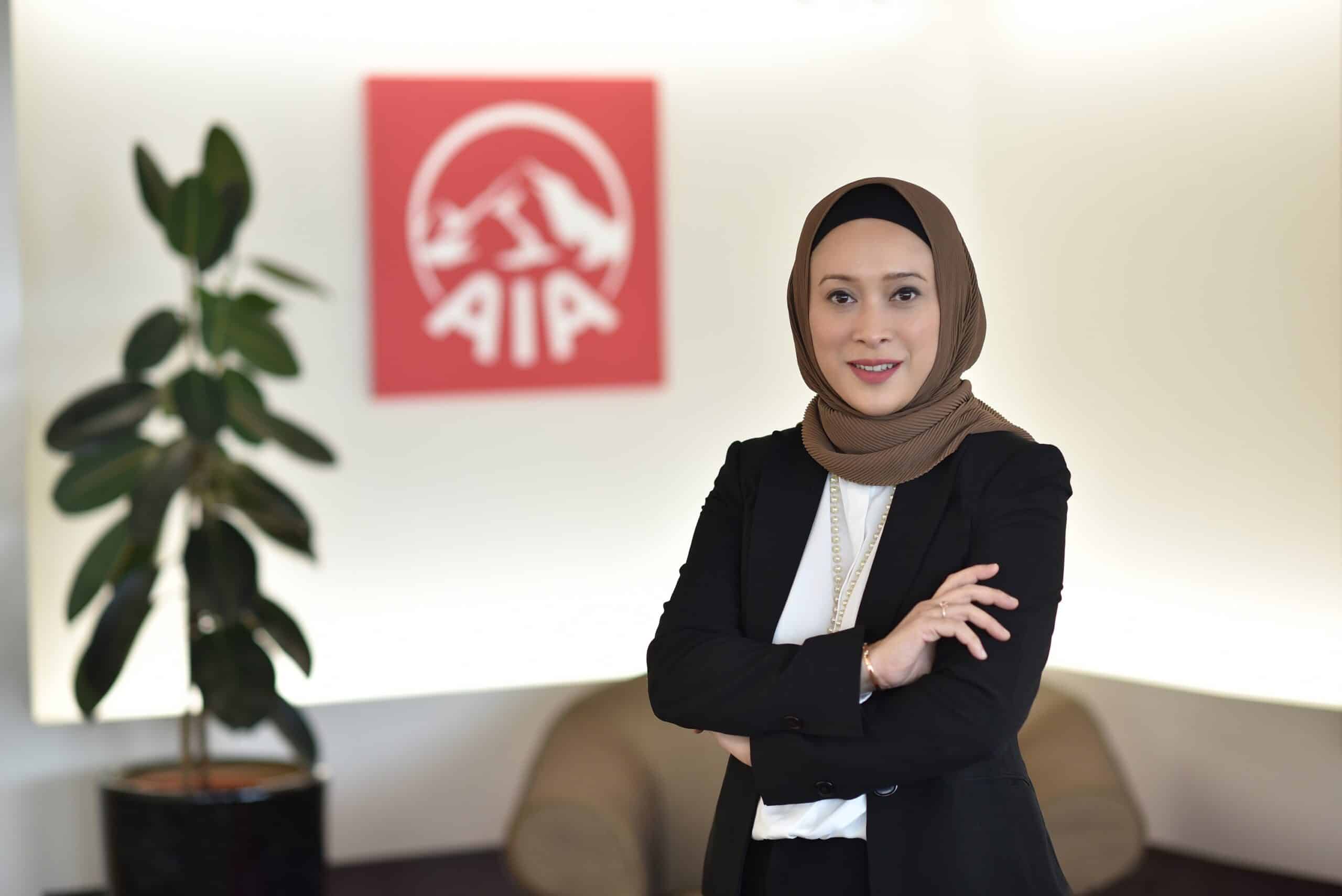
AIA Pension And Asset Management Nor Daliya
Nor Daliya Mohd Daud, Director, AIA Pension and Asset Management Sdn Bhd

Crypto And Digital Asset, Learn Before You Earn

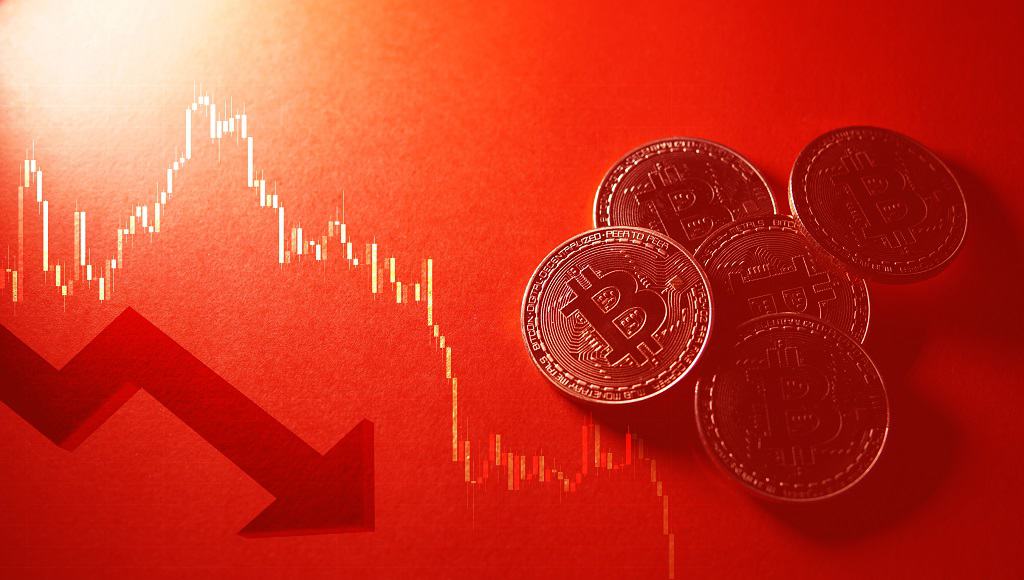
With the recent crypto market crash, investors are now very fearful of the market. Who would have thought Luna can lose almost 100% of its value in just a few days. Even the big boys like Bitcoin, Ethereum and BNB are not spared either, with huge losses all across the board.

Smart Investor spoke with Wei Zhou who is the new CEO of Coins, Philippines’ leading crypto and mobile wallet to find out more on this topic. Coins.ph is regulated by the Bangko Sentral ng Pilipinas (BSP) and is the first ever crypto-based company in Asia to hold both Virtual Currency and Electronic Money Issuer licenses from a central bank. One of its uniqueness is that it has a crypto license by the regulators and by becoming a bridge between virtual and real-life, accepting crypto and fiat along the way.

Wei Zhou Coins CEO

A brief introduction about Wei Zhou, he formally served as Chief Financial Officer of Binance, Zhaopin.com, and Charm Communications. He also led the landmark acquisition of Grindr, where he served as Vice Chairman. He started his career at Goldman Sachs, and he graduated from Harvard University with a Bachelor’s Degree in Economics and East Asian Studies.

According to him, everyone needs to learn about digital asset, since it is the future. Start by taking the time to understand the blockchain technology behind it. Then move on to the digital assets itself, such as Bitcoin and Ethereum. Understand what it is, why it was created, what are the benefits and what causes its price to move up and down.

It’s Easy To Get Started

Closeup Shot Two Coins Placed Top Mobile Phone

Start opening up your own account by creating your own crypto wallet. It is now so much easier whereby most onboarding process can be done online. Some can even be done using only your smartphone. There are also platforms that did not even require its users to undergo a KYC (Know Your Customer) process.

Next up, get to know more about Non-Fungible Token or NFT. A non-fungible token is a financial security consisting of digital data stored in a blockchain, a form of distributed ledger. The ownership of an NFT is recorded in the blockchain, and can be transferred by the owner, allowing NFTs to be sold and traded.

We may have seen an NFT in the form of pictures, digital art. As the adoption rate of NFT gets higher, so does the NFT market value in general.

What’s The Reason For The Crypto Market Crash?

Crypto is still in its early stage and is highly speculative. There may also be an element of the Greater Fool Theory, where the next person is willing to buy more for crypto despite it not having any clear fundamentals.

But in all honesty, it is not only the crypto that is suffering from the bears. The world’s stock market is also crashing down.

For those who are suffering huge losses now, you need to go back as to why you bought them in the first place. Do you believe in the digital asset? Its ecosystem? Or do you simply buy because everyone else is buying?

That’s the reason why it is so important to be doing your own research. But the take-up rate for crypto is considered to be still low. With more people coming in the crypto market, the price will start going back up.

Upcoming Trends?

Asian Young Male Wearing Wearable Goggle Headset
asian young male wearing wearable goggle headset virtual online meeting digital space working with 3d augmented dimension at home,cyber virtual working with virtual vr goggle and pc desktop device

The blockchain is definitely the future. It is a proof of ownership for digital assets. There will be more games and metaverse taking the spotlight in the years to come. For content creators, NFT are good for them to able to earn an income.

But there must be a huge effort to build up the community, build up your trust and brands.

In the sports industry, national associations such as for basketball and football are partnering with the blockchain players.

Plans For The Future?

Wei Zhou is set to come out with additional tokens that has its own value in the market. Also, there are plans to come out with new NFTs with utilities that can benefit the holders.

He is also keen to embark on play-to-earn games which lets gamers earn money while playing their favorite games.

Start Small But Start Now

Cryptocurrency Coding Digital Black Background Open Source Blockchain Concept
Cryptocurrency coding digital black background open-source blockchain concept

The easiest way to get started is by going on social medias and following influencers on their Twitter account. Next is to listen to podcasts so you are able to understand the terms and jargons that is being used.

Once you are in, there’s nothing better than getting your feet wet by joining in the crowd as community managers and engage the audience directly. At Coins, there’s the Coins champion for this purpose.

Making Money From Digital Asset?

Finally, Wei Zhou advises us to have a diversified portfolio and not to put everything in digital assets. Make sure you invest in real estate, stocks and start-ups, before going into digital asset.

Also invest in time as there are a lot of opportunities out there, waiting for it to go boom. This is true in the metaverse space where there’s a lot of hardware and software involved.

Interview with Maybank Asset Management Sdn Bhd, Winner Of The FSMOne Recommended Unit Trusts Awards 2022/2023

Overcoming the rising interest rates and weakening credit profile

Smart Investor: Congratulations! Can you tell us more about your winning fund in the FSMOne Recommended Unit Trusts Awards 2022/2023?

Syhiful Zamri: Thank you for honouring MAMG Global Income-I Fund as one of the selected award-winning funds. We are humbled by this achievement as a reflection of recognition from industry peers. The Fund is a unique feeder fund, where it feeds into a target fund AZ Islamic – MAMG Global Sukuk, which is co-managed by Azimut Investments S.A. and our Maybank Asset Management Group’s investment teams.

It combines the best of each team’s experience and geographical expertise when it comes to credit selection for the target fund. Thus, MAMG’s team focus was on Asia sukuks while Azimut’s team focused on global sukuk outside Asia, mainly the MENA (Middle East North Africa) region.

Though we are committed to a semi-annual distribution to reflect the regular income distribution strategy as per the fund name suggests, currently the fund is distributed on a quarterly basis to match the consistent quarterly distribution by the target fund.

SI: What are the challenges you faced in the past 12 months?

SZ: The main challenges over the past year would be the rising interest rates environment and weakening credit profile of some of the high-yield sukuks due to the prolonged COVID-19 pandemic and economic recovery.

Aggressive upward interest rate adjustments by the central bankers reduced the price of sukuks massively, while credit downgrades or default on certain weaker credits will have a more permanent devaluation of the sukuks.

SI: What are the market trends that an investor should look out for in the near future?

SZ: For fixed income or sukuk investors, they should be mindful that the current high volatility may not last long as the central banks have already started their aggressive interest rate hiking action. Therefore, we think that most of the hawkish posturing by the central banks have been
priced in, especially when some of the treasury yields are already above recent year’s pre- pandemic highs.

Hence, we should be on the lookout for potential recovery options in the fixed income or sukuk market when the central banks start to become less hawkish due to the potential economic slowdown in the coming months.

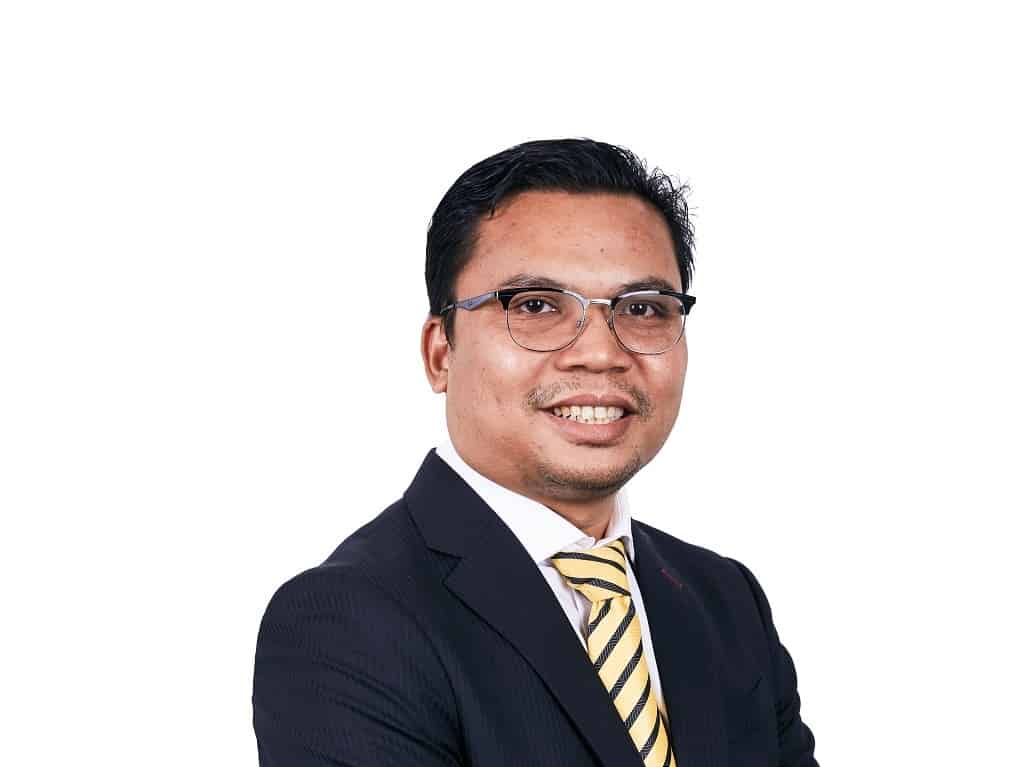
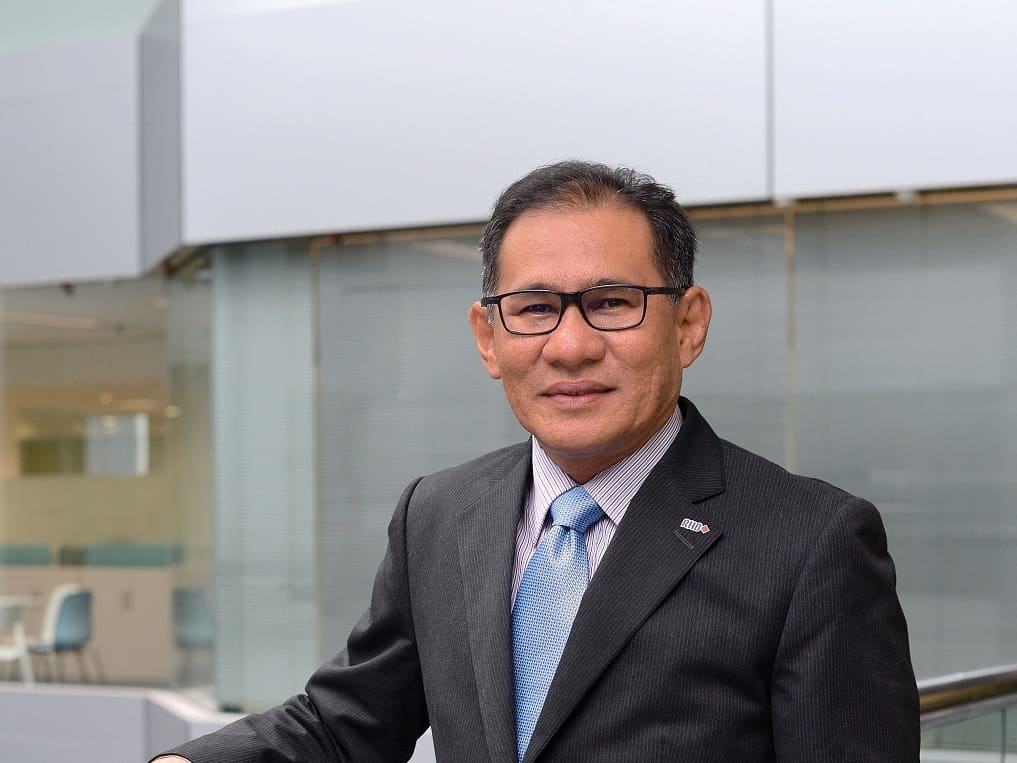
Syhiful Zamri Chief Investment Officer Maybank
Syhiful Zamri, chief investment officer, Maybank Asset Management Sdn Bhd

Interview with RHB Asset Management Malaysia, Winner Of The FSMOne Recommended Unit Trusts Awards 2022/2023

Smart Investor: Congratulations! Can you tell us more about your winning funds in the FSMOne Recommended Unit Trusts Awards 2022/2023?

Mohd Fauzi Mohd Tahir: Thank you! We are indeed honoured and at the same time humbled to be awarded FSMOne’s Recommended Unit Trust. The RHB Big Cap China Enterprise Fund aims to provide quality and large cap exposure to China equity. The Fund is able to invest flexibly in multiple sources of “China alpha”, from onshore A-Share exposure to Hong Kong-listed China shares and even China ADR “American Depository Receipts” listed on the stocks exchanges in the United States.

The RHB Emerging Market Bonds Fund is feeding into United Emerging Markets Bond Fund, which aims to maximise returns, with high yield and capital appreciation over the longer term, by investing primarily in Emerging Markets debt investments and products.

The RHB Global Allocation Fund is feeding into BGF Global Allocation Fund. The Target Fund seeks to maximise total return by investing globally in equity, debt and short-term securities, of both corporate and governmental issuers, with no prescribed limits.

SI: What are the challenges you have faced in the past 12 months?

MFMT: Some of the key challenges over the last 12 months include the intense governmental and regulatory scrutiny on the different industries. Global growth was revised lower because of Russia’s invasion of Ukraine and the COVID-19 situation in China. Russia’s invasion of Ukraine is far from over and any drag or escalation would further exacerbated commodity prices and thus negative implications on global inflation and growth.
In addition, the zero-COVID policy of the China government is also causing some concerns on the potential growth rates in China. Lockdowns in China in pursuit of zero-COVID policy has further disrupt the supply chain and add to production constraints.

However, we do think that we are at the tail end of these well-flagged governmental and regulatory scrutiny. In fact, the China market is at an important inflection point in terms of the change in government and policy stance, from intense scrutiny to loosening of numerous sub-sectors. Furthermore, we also believe that the Chinese government is well aware of the economic impacts of the zero-COVID policy in China and is already
implementing policies to counter these impacts.

SI: What are the market trends that an investor should look out for in the near future?

MFMT: We believe that China is a structural growth story that will persist over the medium- to long-term, despite the current short-term volatility. China is set to be the largest economy in the world, within the next one or two decades. In this current rate hike and tightening environment that investors are seeing in most parts of the world, China is in fact doing the opposite – cutting benchmark interest rates and easing on multiple fronts, including monetary, fiscal and regulatory loosening.

We remain opportunistic as the rate tightening moves are seen to be gradual and at a much more managed pace to support economic recovery. We recommend buying bonds if the market weakens, albeit short-term market dynamics remain volatile mainly due to market sentiment. However, economic and technical fundamentals remained intact.

Mohd Fauzi Mohd Tahir Chief Investment Officer Equity RHB Asset Management Malaysia
Mohd Fauzi Mohd Tahir, chief investment officer, equity, RHB Asset Management Malaysia

Interview with Principal Malaysia, Winner Of The FSMOne Recommended Unit Trusts Awards 2022/2023

Smart Investor: Congratulations! Can you tell us more about your winning funds in the FSMOne Recommended Unit Trusts Awards 2022/2023?

Munirah Khairuddin: Principal Asia Pacific Dynamic Fund Growth invests primarily in the Asia Pacific excluding the Japan region, such as companies that are domiciled in, listed in, and/or have operations or businesses that focus in the Asia Pacific ex Japan region. With effect from 14 May 2021, the Fund may also invest up to 20% of its NAV in companies that are listed globally with some operations or businesses within the Asia Pacific ex Japan region to capture growth opportunities.

Principal Islamic Asia Pacific Dynamic Equity Fund: The Fund is predominantly an equity fund which invests through securities of companies domiciled in, listed in, and/or have significant operations in the emerging and developed markets of Asia Pacific ex Japan. Significant operations translates to major businesses of the company. For example, the Fund can invest in a company with significant business and/or operations in Thailand but listed on the New York Stock Exchange.

Principal Asia Pacific Dynamic Mixed Asset Fund: The Fund is managed with the aim to provide investors with income and capital appreciation over the medium- to long-term through investments in the Asia Pacific ex-Japan region. The Fund seeks to achieve its investment objective through a diversified portfolio investment in equities, debt securities, money market instruments and/or Deposits.

Principal ASEAN Dynamic Fund: The Fund is managed with the aim of achieving stable and positive investment returns over the medium- to long-term through investments in the ASEAN region regardless of market conditions. The companies invested in must be domiciled in, listed in, and/or have significant operations in the ASEAN region. The Fund has the flexibility to adjust its investment exposure to equity and/or debt securities
and money market instruments depending on market conditions.

Principal Greater China Equity Fund: The Fund is a feeder fund that invests at least 95% of the Fund’s NAV in the Schroder ISF Greater China, a fund of the Schroder International Selection Fund, an open-ended investment company registered in Luxembourg. The Target Fund invests primarily in equity securities of the People’s Republic of China, Hong Kong SAR and Taiwan companies; hence, investment risk is expected to be higher than a
globally diversified fund.

SI: What are the challenges you have faced in the past 12 months?

MK: The biggest challenge last year was still very much the pandemic which continued to cause widespread concern and economic hardship for consumers, businesses, and communities across the globe. Our firm spent the bulk of our time responding to the effects of the global pandemic on our workforce and business continuity. One of the challenges we faced is to operate both safely and economically at the same time and we have been able to do so through the means of technology.

We continue to ensure our clients are handheld by establishing ongoing communication through educational materials, online webinars, relationships call and social media.

SI: What are the market trends that an investor should look out for in the near future?

MK: In Asia, we have a slight preference for equities over bonds. The outlook for Asian equities is turning more positive since China has reopened, internet regulation is turning more benign and PE multiples have de-rated. Our conviction in risk assets would rise after we go through the current round of earnings downgrades, the first month of Quantitative Tightening and inflation shows some signs of peaking. Within bonds, we prefer local and regional to global developed market fixed income.

We like characteristics like quality, earnings resilience, growth visibility and reasonable valuations. We like companies that have scope for self-help, for example, on adjusting service/product offerings, managing costs, optimising their capital structure via share buybacks and/or higher dividends. We continue to look for opportunities include reopening beneficiaries (internet platform giants, consumer) and infrastructure spending plays. Factors and themes include high dividend yield, quality, inflation-hedges (selective staples, healthcare, materials, agriculture), decarbonisation (renewables) and beneficiaries of previous under-investments (energy, materials).

The comments that US Federal policy could go beyond neutral and into restrictive territory may keep US Treasuries (UST) elevated and volatile. We expect the 10-year UST yield to trade in a wide range but should find an anchor once the inflation outlook stabilises. Following the recent rally in the local government bonds in the month of May, we will look to pare some position in government bonds as the long-end of the curve remains volatile and would switch into the belly for better risk-reward opportunities.

We are also looking to the primary market for corporate bonds as liquidity and yields are generally attractive compared to the secondary market. For now, investors need to be prepared for continued volatility as market noises could dominate economic news over a few weeks or couple of months. In our base case, we think inflation will fall but remain above central bank targets, economic growth will slow but stay above zero and markets will ultimately shift focus to economic fundamentals.

These are the investment philosophies we are adopting for the near future:

  • Risk Management is key
  • Stick to funds that are focused on quality and income-generating feature
  • Diversifying to funds that also have an exposure to value and sustainable growth
Munirah Khairuddin Chief Executive Officer Principal Asset Management Berhad3

Munirah Khairuddin, chief executive officer and country head, Principal Malaysia

Interview with PMB Investment Bhd, Winner Of The FSMOne Recommended Unit Trusts Awards 2022/2023

PMB Investment Berhad is an Islamic Fund Management Company. It offers unit trust and fund management services. It is a wholly-owned subsidiary of Pelaburan MARA Berhad, one of the pioneers in the unit industry in Malaysia with more than five decades of experience.

PMB Investment can be traced back to 24 June 1967 when the then Amanah Saham MARA, now Pelaburan MARA, was established and subsequently launched its first unit trust fund in the following year on 6 April, now known as PMB Dana Al-Aiman.

Isnami Ahmad Mohtar shared with Smart Investor their journey in the industry.

Smart Investor: Congratulations! Can you tell us more about your winning fund in the FSMOne Recommended Unit Trusts Awards 2022/2023?

Isnami Ahmad Mohtar: PMB Shariah Premier Fund (PMB SPF) was launched on 14 August 1972 as Kumpulan Modal Bumiputera Pelaboran Perwira for Bumiputera investors only. It was opened for public and re-launched as ASM Premier Fund on 12 June 1995. It was made an Islamic fund and re-launched as ASM Shariah Premier Fund on 15 January 2013 targeting investors who were seeking to invest in a fund investing in large market capitalisation companies.

The fund assumed its current name on 28 April 2014. The objective of the fund is to provide opportunities for investors to achieve capital growth over the medium- to long-term period through investment in the 50 largest Shariah-compliant stocks by market capitalisation listed on the Bursa Malaysia. Strategy-wise, under normal circumstances, allocation to Shariah-compliant equities and Shariah-compliant equity related securities ranges between 70% and 99.5% of the net asset value of the fund.

In terms of performance, for the last five years from 2017 to 2021, on a yearly basis the fund had performed better than its benchmark and its peers, except for 2019. For a 5-year period which ended on 31 December 2021, the fund recorded a total return of 62.46% against its benchmark’s return of 2.07% and its peers’ return of 25.9%.

SI: What are the challenges you have faced in the past 12 months?

IAM: The biggest challenge in the past 12 months was dealing with the volatile stock market which became driven by the news. It was too difficult to pick the right stocks and sectors when the market was highly volatile. Besides, it was difficult to determine the right asset allocation, either to go defensive or fully invested under these market conditions. Then, and even now, the stock market is more in trading mode as market direction changed quite fast due to the flow of the news.

Other issues that affected our stock market was, the economic impact of the Omicron strain, lockdowns, rising inflationary pressures, interest rate hikes, geopolitical tension, supply chain disruptions, the Russian-Ukraine war and high commodities prices had led the World Bank, International Monetary Fund and Bank Negara to revise Malaysia’s economic prediction lower.

The other main issues include a mountain of external worries such as the US Federal Reserve (Fed) tapering plan, rising US Treasury yields, the contagion effect from the fallout of China’s Evergrande Group as well as the sanctions against Russia.

SI: What are the market trends that an investor should look out for in the near future?

IAM: The markets were already pricing in worries about hot inflation and recession fears. The latest US CPI rose 8.6% year over year (40-year high), well above the 8.3% expected by economists surveyed by Dow Jones. Interest rates tend to jump up much more in an inflationary environment. This means that equity multiples come down more when inflation is higher.

Besides, investors also worry about the Fed taking a more aggressive rate-hike path to fight inflation. If this happens, we expect analysts will cut forward earnings estimates and stock valuations will be affected. We also opine that the Fed’s aggressive tightening cycles will negatively affect the stock market.

The stock market is also facing other significant headwinds such as global recession fears, the prolonged supply chain disruption, rising business costs, the prolonged Russian and Ukraine war and China’s economic slowdown. However, as Malaysia has transitioned to endemic status, it will have a positive impact on the economy and stock market.

Considering the uncertainty of external factors, prospects for the local stock market in the third quarter 2022 do not look very promising yet, and we continue to be cautious.

Isnami Ahmad Mohtar Chief Investment Officer PMB Investment Berhad
Isnami Ahmad Mohtar, chief investment officer, PMB Investment Bhd

Isnami Ahmad Mohtar, chief investment officer, PMB Investment Bhd

Interview with Manulife Investment Berhad, Winner Of The FSMOne Recommended Unit Trusts Awards 2022/2023

Smart Investor: Congratulations! Can you tell us more about your winning funds in the FSMOne Recommended Unit Trusts Awards 2022/2023?

Jason Chong Soon Min: Manulife Global Thematic Fund is a feeder fund which invests in a target fund, i.e. Allianz Global Investors Fund – Allianz Thematica. The target fund invests in stocks aligned with identified investable themes. These themes are fluid but typically transcended from long-term structural sifts or megatrends driven by technology, regulations or socioeconomic factors.

Manulife Investment Bond Fund is an actively managed fund that invests in Malaysian Ringgit fixed income securities, predominantly government and corporate bonds. It aims to provide investors consistent returns and stable income distribution.

Manulife Investment U.S. Equity Fund is a feeder fund which invests in a target fund, i.e. Manulife Global Fund – U.S. Equity Fund. The target fund focuses on North America equity investments and invests predominantly in companies with large market capitalisation.

Manulife Global Aqua Fund is a qualified Sustainable and Responsible Investment (SRI) feeder fund which invests in a target fund, i.e. BNP Paribas Funds Aqua. The target fund invests mainly in companies tackling water-related challenges and helping to accelerate the transition to a more sustainable world.

Manulife Global Healthcare Fund is a feeder fund which invests in a target fund, i.e. Manulife Global Fund – Healthcare Fund. The target fund focuses on health care-related companies globally.

Manulife Shariah PRS-Moderate Fund* is on the Private Retirement Scheme platform and aims to help investors accumulate savings through balanced investments in both income and growth strategies over the long term.

Manulife Shariah PRS-Growth Fund* is on the Private Retirement Scheme platform and aims to help investors accumulate savings through investments in both income and growth strategies over the long term. Asset allocation is skewed towards Shariah-compliant equity given its focus on growth.

*Manulife Investment Management (Hong Kong) Limited has been appointed by Manulife Investment Management (M) Berhad as the fund manager for the funds with effect from 14 February 2022 and as such, new asset allocations were deployed according to the new investment policies and strategies.

SI: What are the challenges you have faced in the past 12 months?

JCSM: The past 12 months saw some of the most volatile and eventful financial markets in history. Markets were rocked by an onslaught of unexpected events within a short period of time, ranging from the COVID-19 pandemic and supply chain issues to the Russia-Ukraine conflict and decades-high inflation.

The unpredictability of such events and the extreme market volatility resulted in an unprecedented opaqueness to market outlook. We had to stay alert and nimble, carefully maneuvering our way around these events amid aggressive tightening of monetary and financial conditions. The key lesson learned is not to have an overly concentrated position in stocks or sectors even if you believe they will experience structural growth over the next few years.

Things can change and unexpected things can happen along the way, be it macroeconomic conditions, a pandemic, or even a war. As a result, the portfolio may underperform when the concentrated positions are impacted by such events. Hence, having a balanced portfolio is important to navigate the current challenging market conditions.

This led us to sticking with the saying that “diversification is the only free lunch in investing”.

SI: What are the market trends that an investor should look out for in the near future?

JCSM: Investors should really look out for inflationary pressure and the impact high inflation has on their investments and wealth. The high inflation has triggered a change in global monetary policies and interest rate landscape.

Led by the US Federal Reserve, many central banks tightened monetary policies aggressively. It will be important to take note of how the various asset classes react to a high inflation and high interest rate environment, as well as the potential erosion of investment returns by high inflation.

Jason Chong Soon Min Chief Executive Officer Manulife
Jason Chong Soon Min, Chief Executive Officer, Manulife Investment Management (M) Bhd